BLOG
Briefings for the theory exam
 Meteorology
Air Masses and Weather Fronts Explained: EASA PPL Meteorology Guide
Air masses, warm fronts, cold fronts and occlusions: cloud sequence, wind shift, pressure trends and classic exam traps explained for the EASA PPL theory exam.
 Syllabus
VFR Radio Phraseology: The EASA PPL Communications Guide
Phonetic alphabet, call signs, read-back rules, standard words, radio failure, MAYDAY and light signals: VFR radio phraseology explained for the EASA PPL exam.
 Syllabus
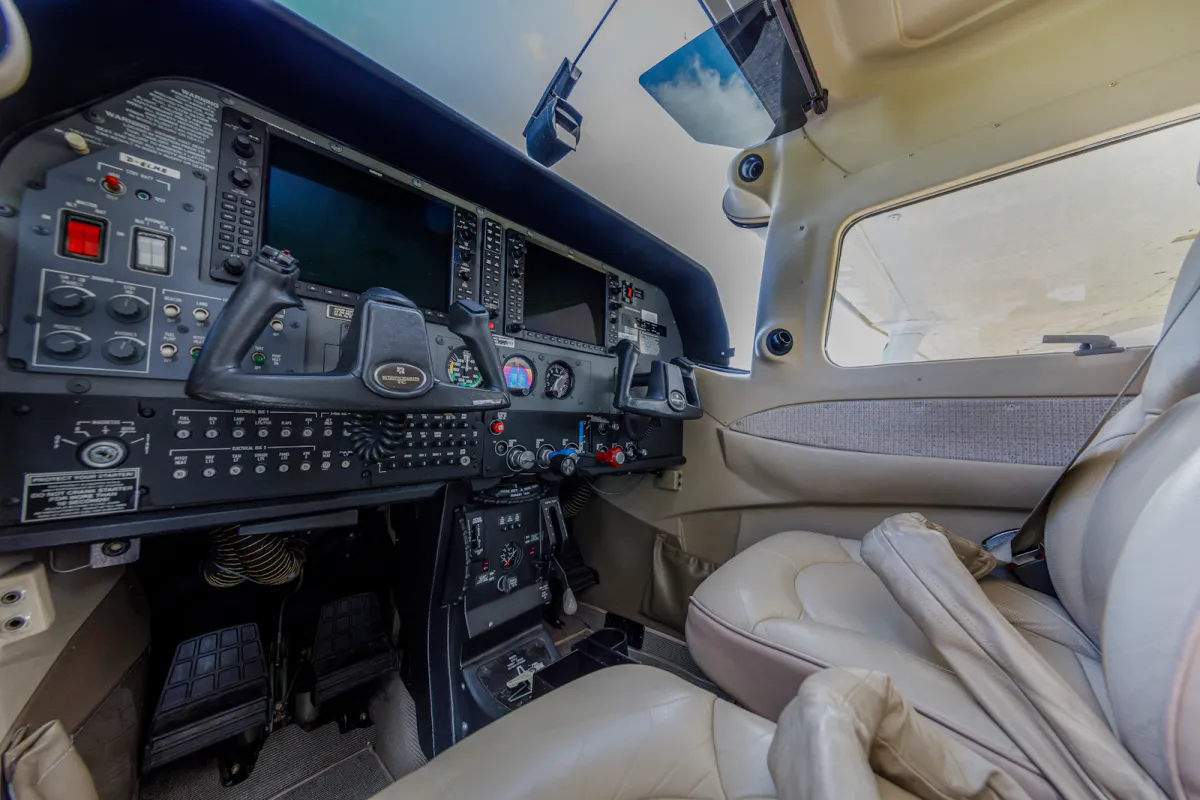
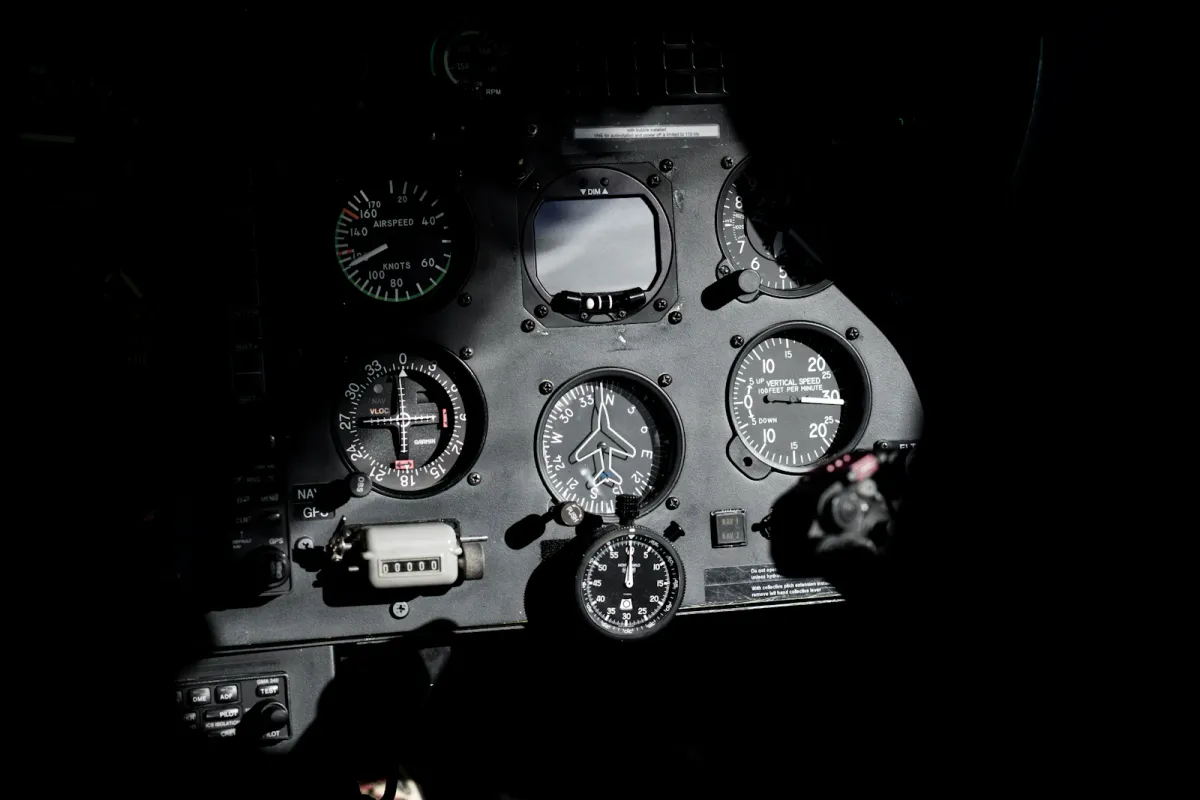
Flight Instruments Explained: Airspeed, Gyros and Compass for the PPL
Airspeed indicator, VSI, attitude and heading indicators, turn coordinator, compass: flight instruments, failures and exam traps for the EASA PPL theory exam.
 Study method
The Last Week Before Your PPL Theory Exam: A Day-by-Day Plan
Mock exams at T-7, targeted revision, calculation practice, the day before and exam day: a day-by-day plan for the final week before your EASA PPL theory exam.
 Syllabus
Carburettor Icing Explained: EASA PPL Theory Guide
Why carburettors ice up on mild days, how to spot it and how to use carb heat correctly: carburettor icing explained for the EASA PPL theory exam.
 Syllabus
Altimetry Explained: QNH, QFE and Flight Levels for the EASA PPL
QNH, QFE, 1013, transition altitude and level, pressure and temperature errors: altimetry made simple so you can score the points in the EASA PPL theory exam.
 Syllabus
Hypoxia and Altitude Effects: EASA PPL Human Performance Guide
Hypoxia, hyperventilation, trapped gases and carbon monoxide: how altitude affects the pilot, and how to answer Human Performance questions in the EASA PPL.
 Syllabus
Density Altitude and Aircraft Performance: EASA PPL Guide
Pressure altitude, density altitude, heat and humidity: how they affect take-off and climb, with worked examples and exam traps for the EASA PPL theory exam.
 Study method
How to Study for the PPL Theory Exam While Working Full Time
Studying for the EASA PPL theory exam with a full-time job: a 6-month plan, short daily sessions, how to order the 9 papers and tips to stay on track.
 Syllabus
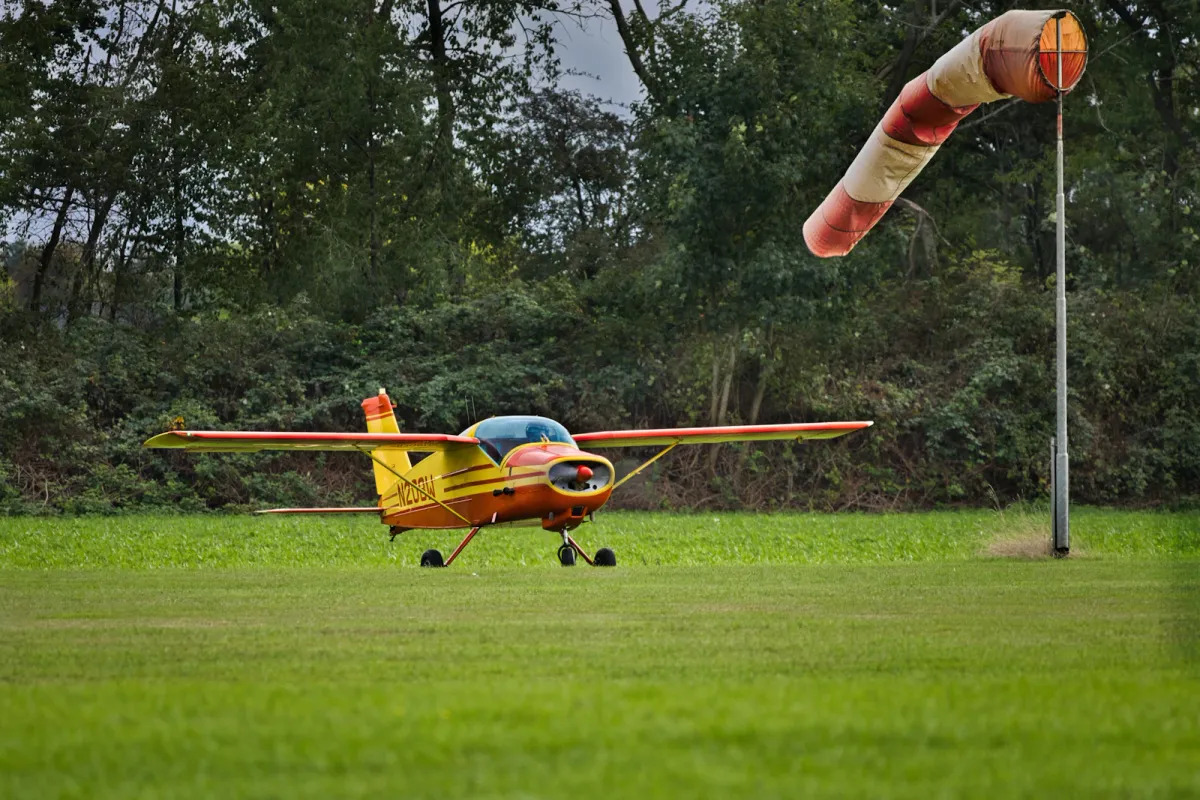
Stalls and Load Factor Explained: EASA PPL Theory Guide
Angle of attack, load factor in turns, stall speed, manoeuvring speed and spins: what you need to know about stalls for the EASA PPL theory exam, with examples.
 Syllabus
The Wind Triangle Explained: Heading, Drift and Groundspeed
Max drift, wind correction angle, heading and groundspeed: how to solve the wind triangle for the EASA PPL theory exam, with a worked example and exam traps.
 Syllabus
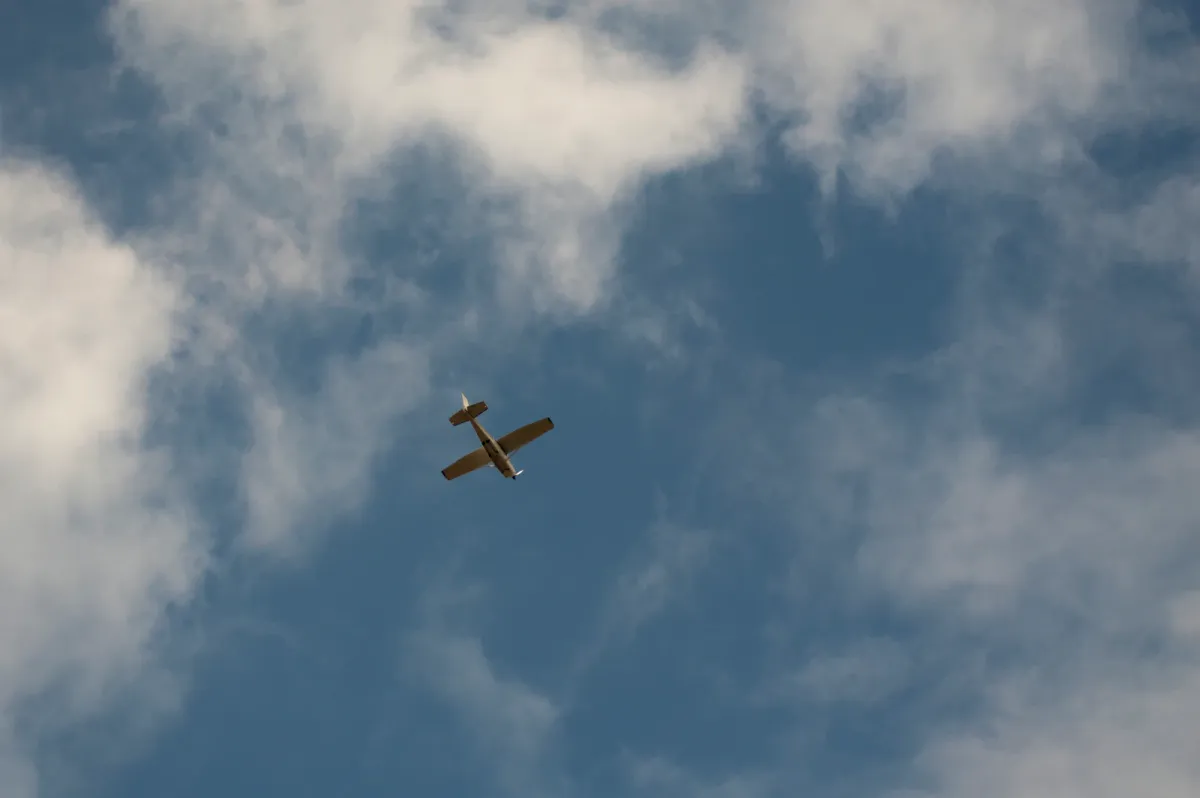
Mass and Balance Explained: Step-by-Step EASA PPL Guide
Basic empty mass, arm, moment and centre of gravity: how to work out mass and balance for the EASA PPL theory exam, with a worked example and exam traps.
 Syllabus
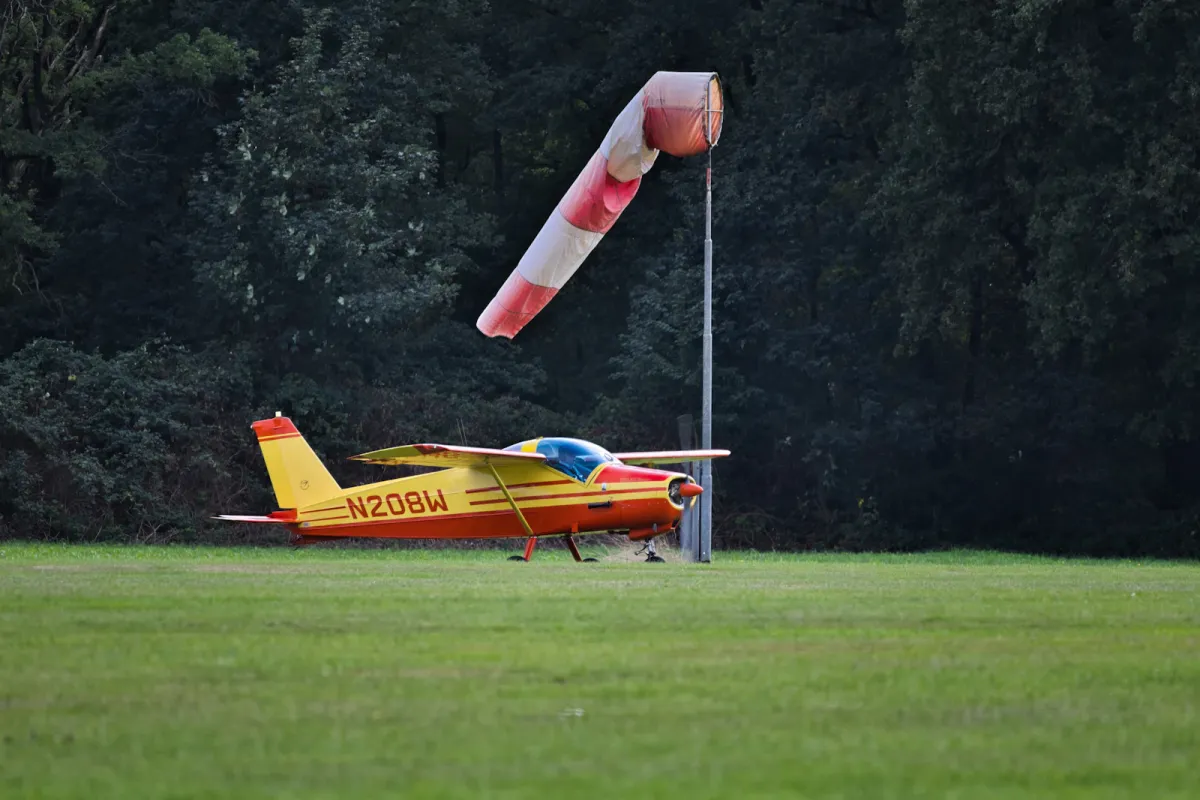
VMC Minima and Airspace Classes Explained: EASA PPL Guide
Visibility, distance from cloud, airspace classes A to G and special VFR: the EASA VMC minima explained with worked examples and classic PPL exam traps.
 Meteorology
How to Read a METAR and TAF: Step-by-Step Guide for PPL Students
Wind, visibility, cloud, CAVOK, TEMPO and BECMG: a step-by-step method to read a METAR and TAF, with decoded examples and the classic EASA PPL exam traps.
 Study method
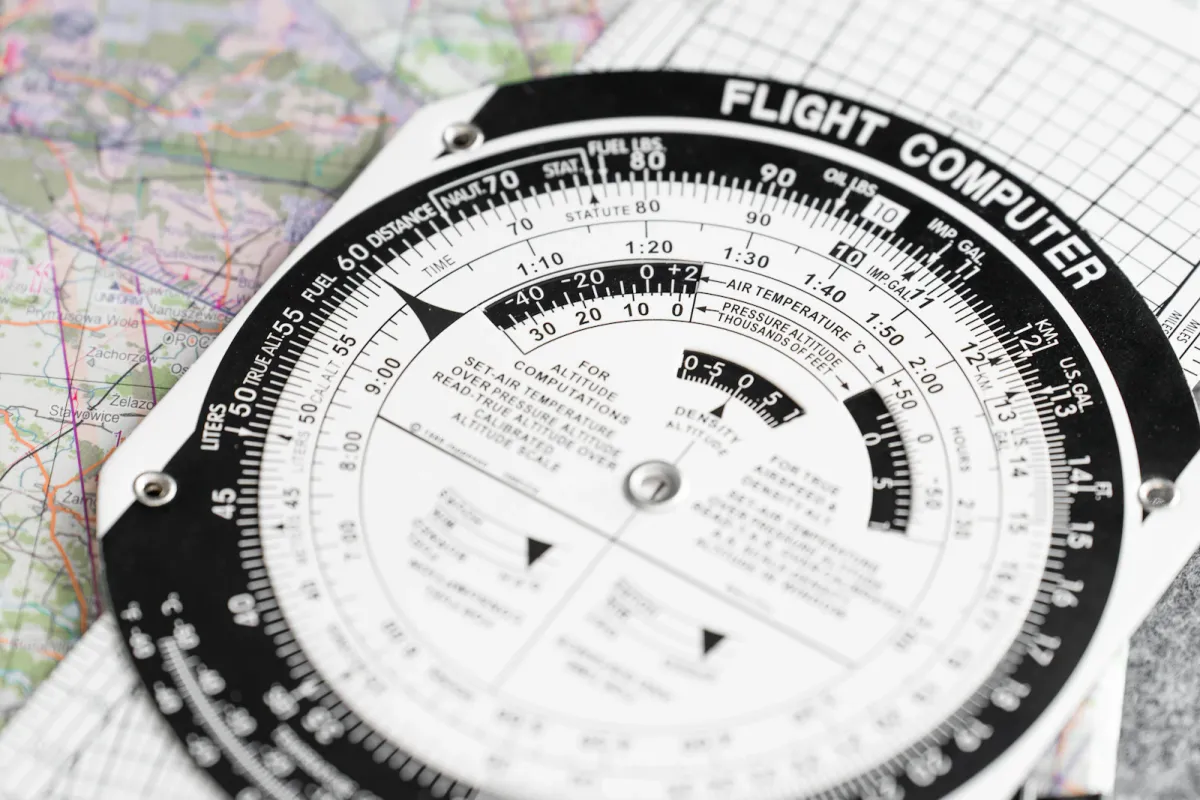
Spaced Repetition: The Most Effective Way to Study for Your EASA PPL Exam
The forgetting curve, active recall and flashcards: how spaced repetition helps you retain the EASA PPL(A) theory syllabus in just 15 to 20 minutes a day.
 Syllabus
The 9 Subjects of the EASA PPL(A) Theory Exam Explained
Air Law, Meteorology, Navigation, Principles of Flight: what each of the 9 EASA PPL(A) theory subjects covers, how hard it is and how to study it efficiently.
 Exam guide
How to Pass the EASA PPL Theory Exam First Time: The Complete 2026 Guide
EASA PPL(A) theory exam rules, the 9 subjects, the 75% pass mark, retake limits, a 12-week study plan and the mistakes to avoid to pass first time.